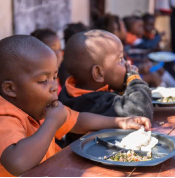
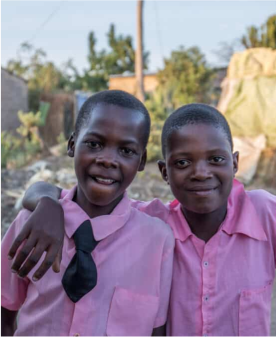
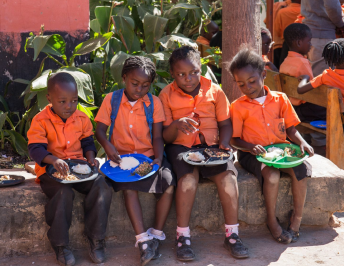
Zambia has approximately 1,000,000 orphans. That’s one in 12 of the population. The majority live in either child- or grandmother-headed households and struggle to meet their most basic needs. Education is prohibitive for many due to the associated costs.
ZOA-UK’s mission is to enable as many orphans of AIDS as possible to realise their potential by:
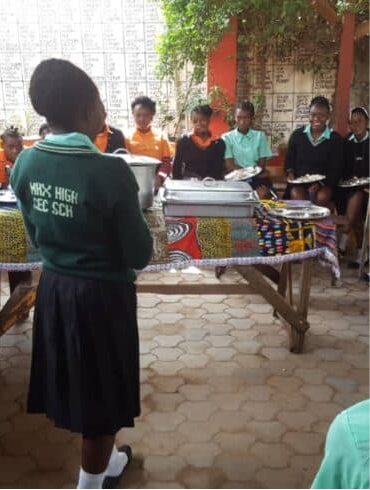
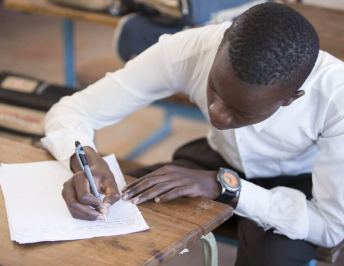
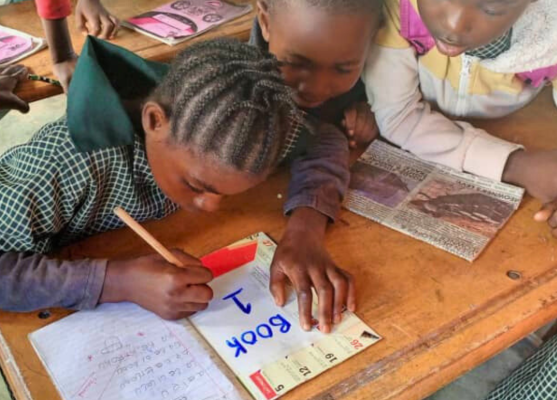
- assisting orphans to complete their schooling in a country where books, uniforms and fees are a major burden for families
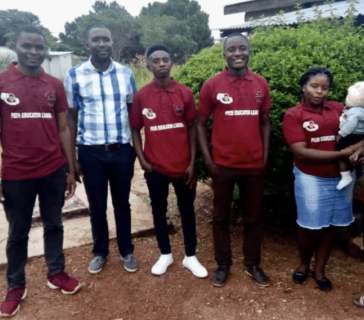
- helping school leavers acquire skills for the world of work
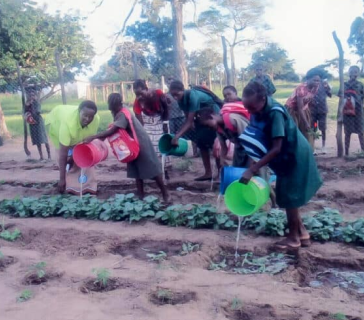
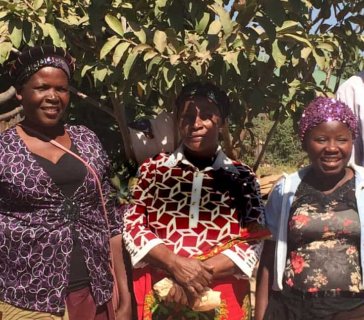
- funding communities so they can generate more income through business and agricultural projects
- coping with the social consequences of HIV/AIDS by funding counselling for orphans and surviving family members, and protecting young girls from abuse and sexual exploitation
Within four years of its launch, ZOA-UK has disbursed over £200,000 to 23 different projects and currently supports over 1,800 orphans and vulnerable children across Zambia.
|
 |
ZOA is made up of three distinct organisations: ZOA-UK, ZOA-US and ZOA Zambia (ZOA-Z). All three organisations share a common purpose of empowering orphans to lead a full and ultimately self-sufficient and independent life.
ZOA-UK and ZOA-US raise money from within their own countries to support the work in Zambia. ZOA-Z is responsible for the initial assessment of projects, recommendations for funding, and ongoing monitoring. This close relationship with ZOA-Z allows for good governance and ensures funds are disbursed in the most effective way possible. |
Zambia’s first HIV case was reported in 1984. Since then, infection rates have increased, with the adult HIV prevalence peaking in the mid 1990s at about 16% (staying at above 14% ever since, according to figures from UNAIDS). The HIV prevalence among young women is of particular concern - this is currently estimated at 26% for 30-34 year olds.
In a country where over half the population struggles to meet daily food needs, much more needs to be done to mitigate the impact of the pandemic on orphans and other vulnerable children, and the households taking care of them. |